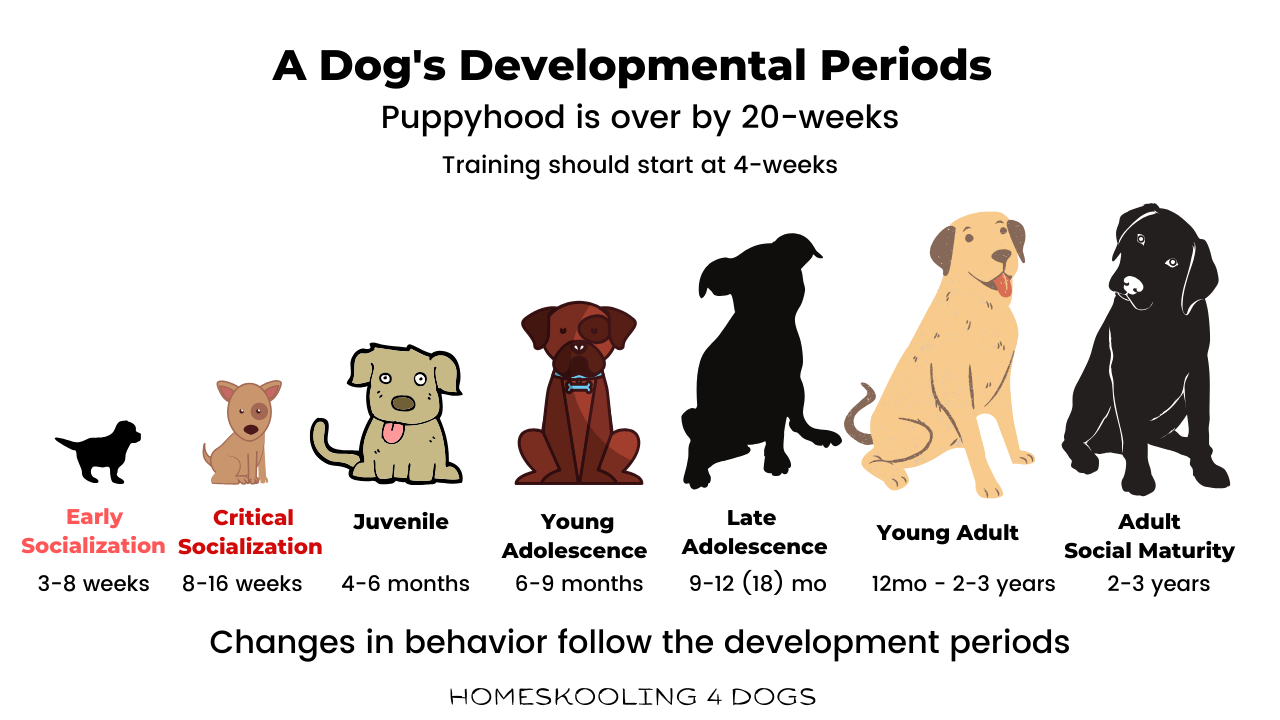
The world is witnessing a significant increase in the popularity and implementation of Dog Socialization Programs. These programs, designed to help dogs develop appropriate social skills and reduce behavioral issues, are now recognized as essential for responsible dog ownership. From bustling urban centers to quiet rural communities, more and more dog owners are turning to these programs to give their furry friends the best possible start in life and to address existing challenges. This global rise reflects a growing understanding of canine behavior and the importance of early and ongoing socialization for a dog’s well-being and integration into human society.

Key Takeaways:
- Dog Socialization Programs are experiencing a global surge in popularity due to increased awareness of their benefits.
- These programs help dogs develop essential social skills, reducing fear, aggression, and anxiety.
- Early and ongoing socialization is crucial for a dog’s overall well-being and successful integration into various environments.
- The programs benefit not only individual dogs but also contribute to safer and more harmonious communities.
Understanding the Global Rise of Dog Socialization Programs
The increasing adoption of Dog Socialization Programs is fueled by several interconnected factors. Firstly, there’s a greater general awareness of dog behavior and training. The internet, social media, and popular television shows have made information readily accessible, empowering owners to understand the crucial role socialization plays in preventing behavioral issues.
Secondly, urbanization has led to higher dog populations in concentrated areas. This means dogs are encountering other dogs and people more frequently, making proper socialization even more important to avoid conflicts and anxieties. Living in close proximity to others necessitates well-behaved, socially adjusted pets for a peaceful community.
Thirdly, there is growing recognition of the long-term benefits of Dog Socialization Programs. Owners are realizing that investing time and effort in socialization early on can prevent serious behavioral problems down the line, potentially saving them from costly vet bills, property damage, or even legal issues. A well-socialized dog is simply a happier, healthier, and more well-adjusted member of the family. As responsible owners, many of us want to provide the best for our canine companions.
Benefits of Early Dog Socialization Programs
The benefits of early Dog Socialization Programs are substantial and far-reaching. These programs provide puppies with safe and controlled environments to interact with other dogs of different breeds, sizes, and temperaments. This exposure helps them learn appropriate canine communication signals, body language, and play styles.
Furthermore, socialization programs introduce puppies to various sights, sounds, smells, and textures, helping them become more confident and adaptable to different environments. A puppy that has been properly socialized is less likely to be fearful or anxious in unfamiliar situations, such as vet visits, car rides, or encounters with strangers. This is critical for their psychological well-being.
Early Dog Socialization Programs also play a vital role in preventing behavioral problems such as aggression, fearfulness, and separation anxiety. By teaching puppies how to interact appropriately with others and handle new experiences, these programs help them develop into well-adjusted and confident adult dogs. Early experiences will shape a dog for the rest of its life.
Addressing Common Challenges with Dog Socialization Programs
While Dog Socialization Programs offer many benefits, some challenges need to be addressed to ensure their effectiveness. One common challenge is finding programs that are run by qualified and experienced trainers. It’s essential to research programs carefully and choose those that utilize positive reinforcement methods and prioritize the safety and well-being of the dogs.
Another challenge is the potential for overstimulation or negative experiences during socialization. It’s crucial to introduce dogs to new situations gradually and monitor their behavior closely. If a dog shows signs of stress or anxiety, it’s important to remove them from the situation and consult with a trainer or veterinarian.
Furthermore, it’s important to remember that socialization is an ongoing process. Even after completing a Dog Socialization Program, it’s essential to continue exposing dogs to new experiences and reinforcing positive social interactions throughout their lives. This could include regular walks in different locations, visits to dog-friendly businesses, and playdates with other well-socialized dogs.
The Future of Dog Socialization Programs Globally
The future of Dog Socialization Programs looks promising, with ongoing advancements in canine behavior research and training techniques. We can expect to see even more sophisticated and effective programs emerge, tailored to meet the specific needs of different dogs and their owners.
Technology is also playing an increasingly important role in dog socialization. Online resources, virtual training sessions, and even wearable technology are being used to supplement traditional in-person programs. These innovations make socialization more accessible and convenient for owners, regardless of their location or schedule.
Moreover, there’s a growing emphasis on community-based Dog Socialization Programs. Dog parks, community events, and even neighborhood walking groups are providing opportunities for dogs to interact and socialize in natural and informal settings. As awareness of the importance of socialization continues to grow, we can expect to see even more creative and innovative approaches to helping dogs become well-adjusted members of our society. It will bring us more joy knowing that our dogs are happy and healthy.
About the Author