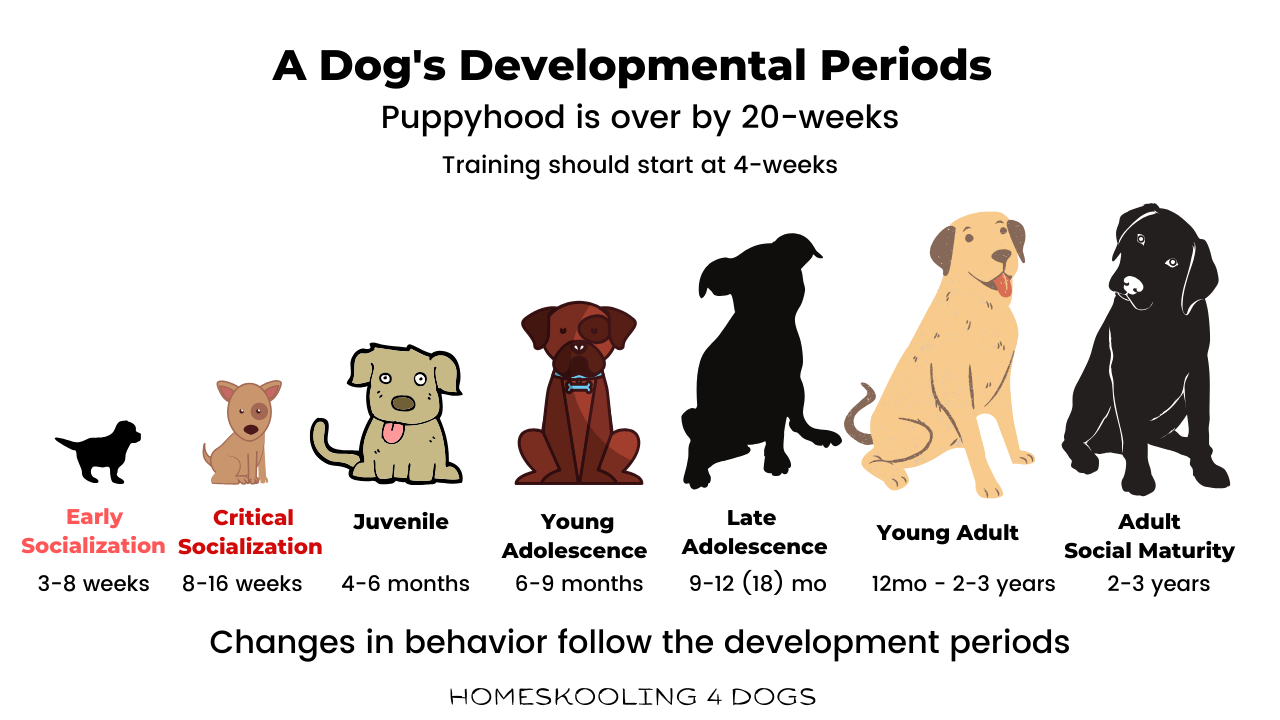
Establishing a predictable daily routine for your animal companions is more than just a convenience; it’s a cornerstone of their health, happiness, and overall well-being. Pets, much like humans, benefit immensely from structure. Knowing when to expect food, walks, playtime, and rest periods helps reduce anxiety, fosters a sense of security, and promotes positive behaviors. A well-thought-out schedule caters to their natural rhythms and instincts, making life more fulfilling for both you and your furry, feathered, or scaled friends.

Overview
- Consistent schedules are vital for reducing pet anxiety and promoting stable behavior.
- Successful animal-friendly schedules balance feeding, exercise, potty breaks, and mental stimulation.
- Routines should be customized based on pet species, age, breed, and individual temperament.
- Observation of your pet’s cues and needs is crucial for effective schedule creation.
- Flexibility within the routine allows for adaptability while maintaining a sense of predictability.
- Integrating enrichment activities supports mental health and prevents boredom.
- Adjusting schedules as pets age or life circumstances change is a continuous process.
The Benefits of Consistent Animal-Friendly Schedules
Creating a reliable schedule provides a foundation of security for your pet. When animals know what to expect and when, their stress levels decrease significantly. This predictability helps prevent common behavioral issues such as excessive barking, destructive chewing, or inappropriate elimination, which often stem from anxiety or boredom. For puppies and kittens, a consistent routine is instrumental in house-training and socialization, teaching them appropriate times for elimination and interaction. Adult pets benefit from stability, which can extend their lifespan by reducing chronic stress that impacts physical health. A regular feeding schedule helps manage weight and digestion, while consistent exercise prevents obesity and maintains muscle tone. Furthermore, scheduled playtime and training sessions strengthen the bond between pet and owner, fostering trust and mutual understanding. This structured approach respects their biological clocks and instinctual needs, allowing them to truly flourish within a domestic environment.
Building Blocks for Effective Animal-Friendly Schedules
When setting up animal-friendly schedules, several key components must be considered. First, feeding times should be consistent, typically two to three times a day for most adult pets, depending on their species and dietary needs. This helps regulate their metabolism and digestion. Second, exercise is paramount. Dogs, for example, often require multiple walks or active play sessions daily, with the duration and intensity tailored to their breed, age, and energy levels. Even indoor cats benefit from scheduled interactive play that mimics hunting behaviors. Third, potty breaks for dogs, especially puppies, need to be frequent and on a predictable basis, such as immediately upon waking, after eating, and before bed. For cats, a clean litter box in a quiet location should always be accessible. Fourth, mental stimulation through puzzle toys, training sessions, or enrichment activities is vital to prevent boredom and cognitive decline. Many pet owners in the US integrate short training sessions into their daily routine to reinforce commands and provide mental exercise. Lastly, scheduled downtime and sleep are just as important, providing pets with the rest they need to recover and maintain good health.
Adapting Animal-Friendly Schedules for Different Pet Species
The concept of animal-friendly schedules is universal, but its application varies significantly across different pet species. A dog’s schedule will look very different from a cat’s, a bird’s, or a hamster’s. For dogs, routines often revolve around outdoor activities: morning walks, mid-day potty breaks, afternoon play, and evening walks. Breed-specific needs are also crucial; a high-energy Border Collie will need far more structured exercise than a senior Basset Hound. Cats, while appearing more independent, also thrive on routine, particularly around feeding and playtime. Scheduled interactive play sessions with toys that mimic prey can prevent boredom and destructive behaviors. Small animals like rabbits, guinea pigs, and hamsters require consistent feeding times, daily cage cleaning, and specific out-of-cage supervised exercise periods. Birds benefit from consistent light cycles, predictable feeding, and scheduled interaction time to prevent loneliness and stress. Understanding the natural behaviors and biological needs of each species is the first step in creating a schedule that genuinely supports their welfare.
Implementing and Adjusting Your Pet’s Animal-Friendly Schedules
Implementing new animal-friendly schedules requires patience and consistency. Start by gradually introducing changes, rather than making abrupt shifts. For instance, if you’re adjusting feeding times, move them by 15-30 minutes each day until you reach the desired time. Use positive reinforcement, like treats and praise, to reward your pet for adhering to the new routine. Observe your pet closely for cues that indicate the schedule is working or needs modification. Are they sleeping through the night? Are they eating all their meals? Are there any new behavioral issues emerging? Life changes also necessitate adjustments. Puppies and kittens mature into adults, and senior pets develop different needs regarding exercise, sleep, and medical care. A new job, a move to a different home, or the arrival of a new family member will all require a review and potential alteration of the existing schedule. The goal is to maintain a predictable, yet flexible, framework that continues to meet your pet’s evolving needs, ensuring their comfort and happiness throughout their life stages.
About the Author