
Key Takeaways
Choosing quality roofing materials can improve a home’s value by enhancing its durability, appearance, and long-term protection.
Energy-efficient roofing materials can help reduce heat absorption and lower cooling demands, especially in warmer climates.
A professionally installed roof provides better protection against heavy rain, strong winds, and other severe weather conditions.
Regular inspections can uncover hidden problems such as leaks, damaged shingles, sagging areas, and ventilation issues before they become expensive repairs.
Proper maintenance, including gutter cleaning and flashing inspections, helps extend the lifespan and performance of a roofing system.
Homeowners should understand roofing warranties, including coverage periods, maintenance requirements, and conditions that may void coverage.
Choosing the right roofing material depends on factors such as climate, budget, home design, durability, and energy efficiency.
Professional installation provides homeowners with expert guidance, proper material application, and greater confidence in the long-term performance of their roof.
The Top Benefits of Investing in Quality Roofing
Enhancing Home Value With Premium Materials
Choosing quality roofing materials is more than a cosmetic improvement; it can be a strategic investment in a home’s long-term value. Durable and attractive roofing can make a property more appealing to prospective buyers who want reliable protection without facing immediate replacement costs.
Metal roofing, concrete tiles, and high-quality architectural shingles are examples of materials that can provide different combinations of durability, appearance, and weather resistance. The right choice depends on the home’s structure, local climate, and homeowner’s priorities.
- Increased appeal for potential buyers
- Longer-lasting protection
- Improved curb appeal
- Potentially stronger resale value
For homeowners considering a professional upgrade, working with an established roofing provider such as Westfall Roofing can help ensure that material selection and installation are approached with long-term performance in mind.
Boosting Energy Efficiency Through Better Roofing
A roof also plays an important role in a home’s energy performance. Roofing materials that reflect solar radiation can reduce heat absorption and help keep attic and interior temperatures more manageable.
Proper insulation and ventilation further improve efficiency by reducing unwanted heat transfer. During hot weather, an efficient roofing system can decrease the workload placed on air-conditioning equipment, potentially lowering energy consumption.
- Reflective roofing materials can reduce heat absorption
- Proper insulation helps maintain indoor temperatures
- Adequate ventilation helps control attic heat and moisture
- Energy-efficient roofing can contribute to lower utility costs
How Quality Roofing Improves Safety and Comfort
Protecting Homes From Severe Weather
A roof is one of the home’s primary defenses against environmental conditions. High-quality materials and professional installation can help protect the structure from heavy rainfall, strong winds, and other weather-related stresses.
Loose shingles, damaged flashing, or improperly sealed areas can allow water to enter the structure. Addressing these vulnerabilities early helps reduce the possibility of interior water damage and related problems.
- Wind-resistant roofing provides added protection
- Proper sealing reduces water intrusion
- Durable materials withstand repeated weather exposure
- Professional installation helps maintain structural integrity
Improving Year-Round Indoor Comfort
Roof quality also influences indoor comfort. A properly insulated and ventilated roofing system helps regulate temperatures between the attic and living areas.
During warmer months, effective ventilation can help release trapped heat. During cooler periods, adequate insulation can help prevent excessive heat loss. Together, these features can create a more consistent indoor environment.
Signs Your Roof Needs Professional Attention
What Your Roof Can Reveal About Hidden Issues
Visible roof problems should never be ignored because they may indicate deeper issues. A sagging roofline, for example, can suggest structural deterioration or moisture-related damage that requires professional evaluation.
Interior signs can also provide important clues. Water stains on ceilings or walls may indicate an active or previous roof leak. Mold or excessive moisture in the attic can point toward ventilation problems.
Watch for signs such as:
- Sagging or uneven rooflines
- Water stains on ceilings or walls
- Damaged or missing shingles
- Visible mold or algae growth
- Damaged flashing
- Excessive moisture in the attic
Prompt professional attention can prevent relatively small problems from developing into major structural repairs.
Identifying Wear and Tear Before It Becomes Serious
Routine visual checks can help homeowners identify early deterioration. Missing shingles, cracked tiles, exposed roofing materials, and damaged gutters can all affect the performance of the overall system.
It’s particularly important to inspect the roof following severe weather. Storms can cause damage that isn’t immediately obvious from ground level.
- Check for missing or damaged shingles
- Look for cracked or displaced tiles
- Examine gutters for excessive granules
- Inspect flashing around roof penetrations
- Schedule professional evaluations when damage is suspected
The Importance of Regular Roofing Inspections
Why Professional Roof Inspections Matter
Regular inspections provide homeowners with an opportunity to identify problems before they become expensive. A professional can evaluate areas that may be difficult or unsafe for homeowners to inspect themselves.
Inspections can assess shingles, flashing, ventilation, gutters, drainage, and other components of the roofing system. Detecting deterioration early allows homeowners to determine whether a minor repair or larger intervention is necessary.
- Early identification of roofing problems
- Better understanding of roof condition
- Reduced risk of unexpected repairs
- Potentially longer roof lifespan
When Should Homeowners Schedule a Roof Inspection?
Homeowners should consider professional inspections periodically and after significant storms. The appropriate schedule can vary depending on the roof’s age, material, environmental exposure, and previous maintenance history.
Older roofs generally deserve closer monitoring because materials naturally deteriorate over time. Seasonal inspections can also help homeowners prepare for periods of severe weather.
What to Expect During a Professional Roofing Installation
A Step-by-Step Guide to the Installation Process
Understanding the installation process can make a roofing project easier to manage. Although specific procedures vary according to the property and roofing material, a professional project commonly begins with an inspection and consultation.
The typical process may include:
- Initial Consultation: The roofing professional discusses the homeowner’s goals, concerns, and budget.
- Roof Assessment: The existing roof and underlying structure are evaluated.
- Material Selection: Appropriate roofing materials are selected based on performance, appearance, and environmental conditions.
- Removal and Preparation: Existing materials may be removed and the roof deck prepared.
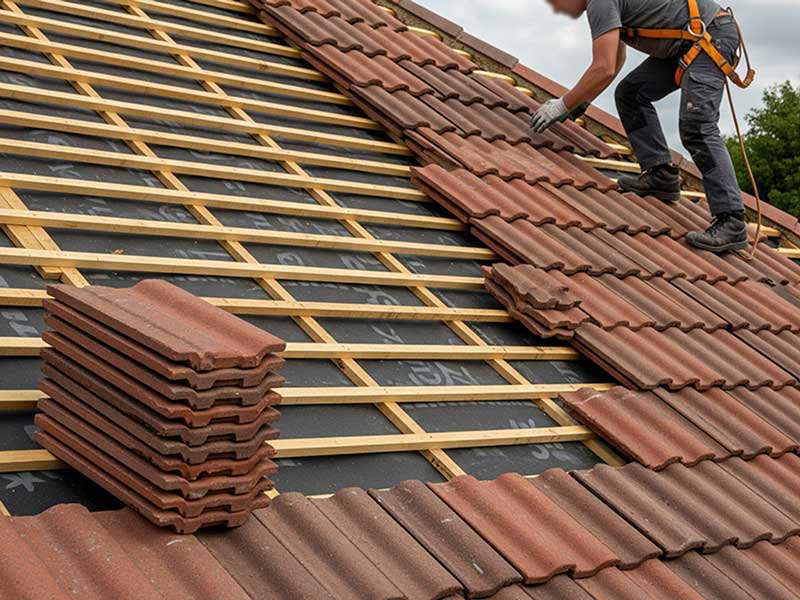
- Installation: New roofing materials, flashing, underlayment, and other components are installed.
- Inspection and Cleanup: The completed work is checked and the property is cleaned.
Clear communication throughout the project helps homeowners understand what is happening at every stage.
Common Roofing Materials: Choosing What’s Right for Your Home
Homeowners have numerous roofing materials to consider. Each option offers different advantages in terms of price, durability, appearance, maintenance, and energy performance.
- Asphalt shingles: Affordable, versatile, and widely available.
- Metal roofing: Durable, long-lasting, and available in various designs.
- Concrete or clay tiles: Attractive and highly durable but generally heavier.
- Flat roofing systems: Common for specific architectural designs and structures.
- Energy-efficient roofing: Designed to improve heat management and energy performance.
The best material isn’t necessarily the most expensive option. Instead, homeowners should choose a system that matches the property’s structural requirements, climate, budget, and long-term goals.
Understanding Roofing Warranties
Roofing warranties can provide valuable protection, but homeowners should understand exactly what the warranty covers. Coverage periods and conditions vary by manufacturer, material, and installation requirements.
Important considerations include:
- What materials and defects are covered
- Whether workmanship has separate coverage
- Maintenance requirements
- Circumstances that could void the warranty
- How warranty claims are submitted
Keeping installation records and following recommended maintenance procedures can help homeowners preserve their warranty coverage.
Maintaining Your Roof for Long-Term Performance
Essential Tips for Regular Roof Maintenance
A quality roof still requires regular maintenance. Simple preventive tasks can help protect roofing materials and reduce the likelihood of expensive repairs.
Homeowners should:
- Clean gutters and downspouts regularly
- Check flashing for damage or deterioration
- Remove excessive debris from the roof
- Monitor moss or algae growth
- Keep nearby tree branches trimmed
- Check attic ventilation and moisture levels
These tasks help maintain proper drainage and prevent moisture from accumulating where it can damage roofing materials or the underlying structure.
Seasonal Checks for Severe Weather Conditions
Weather conditions can place significant stress on roofing systems. Before periods of heavy rain or storms, homeowners should check for loose shingles, damaged flashing, blocked gutters, and other vulnerabilities.
After a major storm, a professional inspection can identify damage that isn’t visible from the ground. Addressing storm damage promptly can reduce the likelihood of leaks and secondary structural problems.
How Routine Maintenance Saves Money
Preventive maintenance is often more manageable than major repairs. A small leak, for example, may be relatively simple to address when discovered early. If ignored, however, water can damage insulation, decking, ceilings, walls, and other structural components.
A consistent maintenance routine can help homeowners:
- Address minor problems before they worsen
- Extend the useful life of roofing materials
- Reduce unexpected repair expenses
- Preserve curb appeal
- Protect the home’s structural components
Quality roofing is ultimately about more than the materials installed overhead. Proper selection, professional installation, regular inspections, and ongoing maintenance work together to protect one of a homeowner’s most important investments.
FAQ
How can quality roofing increase home value?
Quality roofing can improve a property’s appearance, durability, energy performance, and overall buyer appeal. A well-maintained roof may also reassure prospective buyers that they are less likely to face immediate roofing expenses after purchasing the home.
What are the most important signs of roof damage?
Common warning signs include missing or damaged shingles, cracked tiles, sagging areas, water stains, damaged flashing, mold growth, and excessive granules in gutters. Any significant or unexplained damage should be professionally evaluated.
How often should homeowners have their roofs inspected?
Inspection schedules depend on factors such as roof age, material, climate, and weather exposure. Homeowners should also consider a professional inspection after significant storms or whenever they notice potential damage.
Which roofing material is best for a home?
There isn’t one universally best material. Asphalt shingles, metal, tile, and other systems each offer different advantages. The appropriate choice depends on the home’s structure, climate, budget, desired appearance, and expected lifespan.
Does roofing affect energy efficiency?
Yes. Roofing materials, insulation, and ventilation can influence how much heat enters or leaves a home. Reflective materials and properly designed insulation and ventilation systems can help improve temperature control and potentially reduce cooling demands.
When should a roof be repaired instead of replaced?
Minor, isolated problems may often be repaired, while extensive damage, significant deterioration, repeated leaks, or an aging roof may indicate that replacement is more practical. A professional assessment can help determine the appropriate option.
What should homeowners consider when choosing a roofing contractor?
Homeowners should evaluate experience, licensing where applicable, insurance coverage, reputation, written estimates, warranties, and communication practices. It is also helpful to ask how the contractor handles cleanup, unexpected structural issues, and warranty documentation.
Does roof maintenance really extend its lifespan?
Regular maintenance can help identify and address problems before they cause widespread damage. Cleaning gutters, checking flashing, monitoring ventilation, and scheduling professional inspections can all contribute to better long-term roof performance.
Useful Resources
- NAIOP – Commercial Real Estate Development Association
- National Roofing Contractors Association
- S. Department of Energy – Energy Efficiency & Renewable Energy
- S. Environmental Protection Agency – Green Homes
- Angie’s List – Home Improvement Resources
- Green Building Advisor – Sustainable Design Resources
- Federal Emergency Management Agency (FEMA) – Disaster Preparedness Resources
- IRS – Energy Efficient Home Improvements Tax Credits
- HomeAdvisor – Find Home Service Professionals
About the Author


