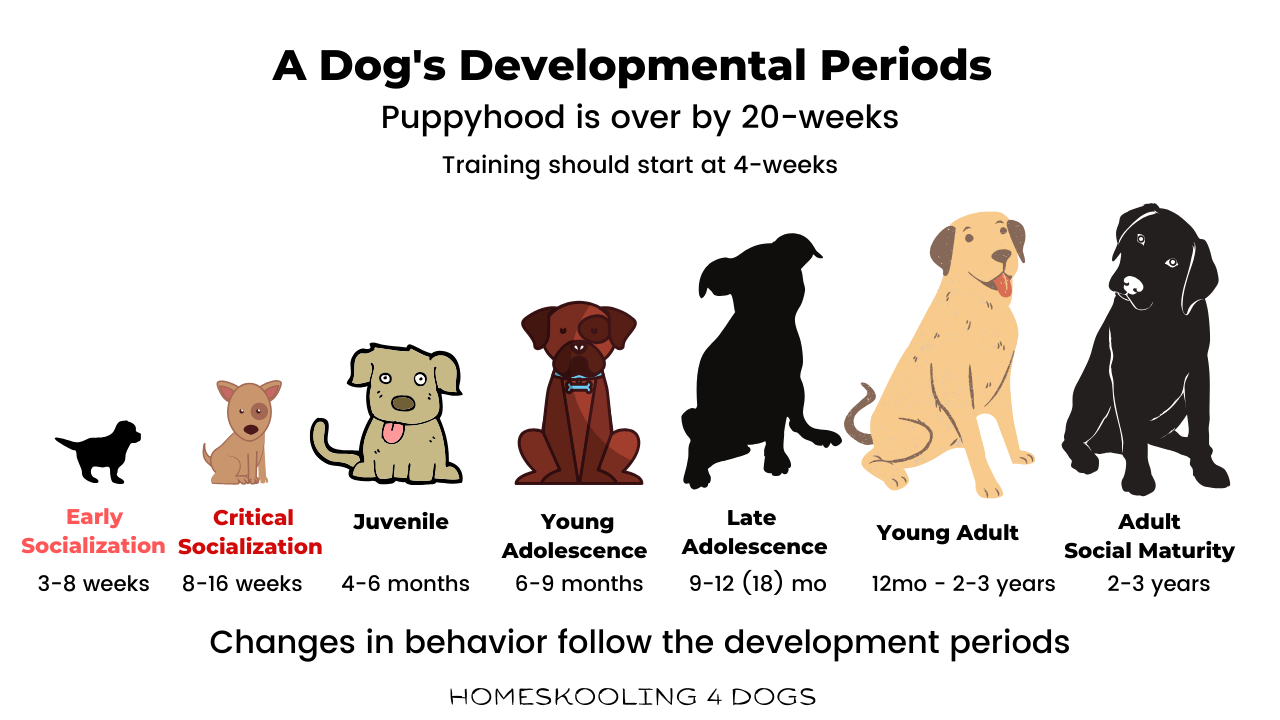
As our beloved pets age, their needs evolve, requiring a thoughtful adjustment in how we care for them. Just like humans, senior animals experience changes in their physical and cognitive abilities, necessitating a proactive and empathetic approach to their daily lives. Providing good pet maturity guidance means understanding these changes, anticipating their needs, and implementing strategies that maintain their comfort, dignity, and quality of life during their golden years. This shift in care ensures that the bond we share with them remains strong and supportive through every stage of their life.

Overview
- Recognizing subtle signs of aging early is crucial for timely intervention and improved pet well-being.
- Regular veterinary check-ups tailored for senior pets are essential for managing age-related health conditions effectively.
- Nutritional adjustments, including senior-specific diets and supplements, play a significant role in supporting an aging pet’s health.
- Modifying the home environment with ramps, non-slip surfaces, and comfortable bedding helps prevent injuries and improve accessibility.
- Maintaining mental stimulation through gentle play and enrichment activities supports cognitive function and emotional health.
- Providing consistent emotional support and understanding behavioral changes strengthens the pet-owner bond and reduces anxiety.
- Discussions about pain management and quality of life are vital components of pet maturity guidance for aging animals.
Recognizing Early Signs: Proactive Pet Maturity Guidance
One of the most important aspects of pet maturity guidance is learning to recognize the subtle cues that indicate your pet is aging. These aren’t always dramatic changes; often, they begin as slight shifts in behavior or physical ability. For instance, a dog might be a little slower to rise, or a cat might jump less often onto its favorite perch. Other signs include changes in sleep patterns, a decreased interest in play, a duller coat, or even alterations in appetite and thirst. Observing these early indicators allows pet owners to initiate care adjustments sooner, potentially slowing the progression of some conditions or mitigating discomfort. Regular, gentle observation of your pet’s daily routine and physical state is the first step in providing effective care. Early awareness empowers you to seek veterinary advice before issues become more advanced, laying the groundwork for a comfortable senior life.
Tailoring Health and Nutrition: Essential Pet Maturity Guidance
A cornerstone of excellent pet maturity guidance for aging animals involves working closely with your veterinarian to tailor their health and nutrition plan. Senior pets benefit significantly from more frequent veterinary visits, typically twice a year, to monitor for age-related conditions such as arthritis, kidney disease, dental issues, heart conditions, and cognitive dysfunction. Many veterinarians in the US recommend specific senior screenings, including blood work, urinalysis, and blood pressure checks, to catch problems early. Nutrition plays a vital role; senior-specific diets are often formulated with fewer calories, increased fiber, and supplements like glucosamine for joint health. Weight management becomes critical, as excess weight exacerbates joint pain and other health problems. Your vet can advise on appropriate dietary changes, supplements, and medication management to address specific health challenges, ensuring your pet receives targeted care that supports their longevity and comfort.
Adapting the Environment: Comfort-Focused Pet Maturity Guidance
As pets age, their physical capabilities often decline, making their familiar environment potentially challenging. Implementing comfort-focused pet maturity guidance means adapting your home to meet their changing physical needs. This could involve placing non-slip mats on slippery floors to prevent falls, especially for pets with weakened legs or arthritis. Ramps can be introduced to help them access furniture, beds, or even vehicles, reducing strain on their joints. Elevated food and water bowls can make eating and drinking more comfortable by eliminating the need to bend down excessively. Orthopedic beds provide better support for aching joints. It’s also wise to ensure easy, quick access to outdoor potty areas, especially for dogs, as their bladder control may lessen. Simple modifications like these significantly reduce physical stress and improve your aging pet’s daily comfort and independence within their home.
Supporting Mental and Emotional Well-being: Holistic Pet Maturity Guidance
Beyond physical health, holistic pet maturity guidance extends to nurturing your aging pet’s mental and emotional well-being. Senior pets can experience cognitive decline, anxiety, or even depression. Maintaining mental stimulation through gentle, appropriate play, puzzle toys, or short, familiar walks can help keep their minds engaged. Scent games can be particularly rewarding for older dogs whose sight or hearing might be diminishing. A consistent daily routine provides a sense of security and predictability, which can be comforting to pets experiencing cognitive changes. Increased affection, gentle grooming, and simply spending quiet time together can reassure them. It’s also important to be observant of behavioral changes that might indicate pain or discomfort, such as irritability or withdrawal. Open communication with your vet about quality of life and potentially difficult decisions, including pain management options or end-of-life care, is a crucial, compassionate part of supporting your pet through their final years.
About the Author