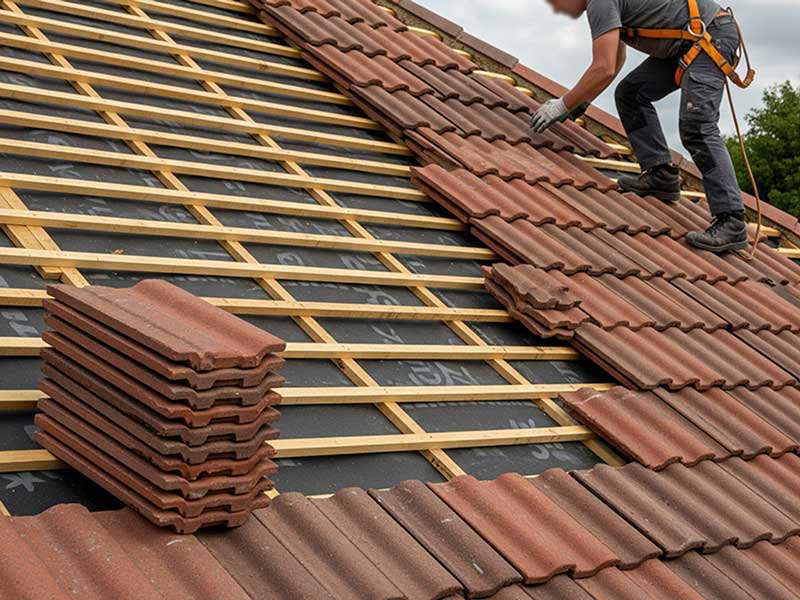
The global housing market is undergoing a significant shift, and at the forefront of this change are Prefabricated Homes. These homes, constructed off-site in controlled factory environments and then assembled on location, are rapidly gaining popularity for their efficiency, cost-effectiveness, and sustainable design. This rise in demand is reshaping the construction industry and offering potential solutions to the global housing crisis.

Key Takeaways:
- Prefabricated Homes are driving a global market rise due to their affordability and speed of construction.
- Sustainability is a key factor, with many prefab homes utilizing eco-friendly materials and energy-efficient designs.
- Technological advancements in design and construction are expanding the possibilities for prefab architecture.
- The versatility of prefab allows customization and adaptation to diverse needs and preferences.
Affordability and Accessibility of Prefabricated Homes
One of the primary drivers behind the rising popularity of Prefabricated Homes is their affordability. Traditional construction methods often involve numerous subcontractors, weather delays, and material waste, all of which contribute to higher costs. Prefabricated Homes, on the other hand, benefit from economies of scale, streamlined production processes, and reduced material waste, translating into significant cost savings for homebuyers. This makes homeownership accessible to a wider range of individuals and families, especially in areas with soaring real estate prices. Furthermore, the controlled factory environment minimizes delays caused by weather, ensuring projects stay on schedule and within budget. This predictability is a major advantage for both builders and buyers. The ability to accurately forecast costs allows us to plan finances effectively and avoid unexpected expenses that can derail traditional construction projects.
Sustainability and Eco-Friendliness in Prefabricated Homes
Sustainability is no longer just a buzzword; it’s a crucial factor driving consumer choices. Prefabricated Homes offer a more environmentally friendly alternative to conventional construction. The controlled factory setting allows for precise material usage, minimizing waste and maximizing efficiency. Many prefab manufacturers are also incorporating sustainable materials, such as recycled steel, bamboo, and reclaimed wood, into their designs. These eco-friendly materials reduce the environmental footprint of the homes and contribute to healthier indoor air quality for occupants. Energy efficiency is another key benefit. Prefabricated Homes are often designed with superior insulation, energy-efficient windows, and smart home technologies, reducing energy consumption and lowering utility bills for homeowners. As awareness of environmental issues grows, the sustainable aspects of Prefabricated Homes are becoming increasingly attractive to buyers looking to reduce their carbon footprint. It benefits us to promote environment-friendly approaches.
Design Innovation and Customization in Prefabricated Homes
Gone are the days when Prefabricated Homes were synonymous with cookie-cutter designs. Today, advancements in design technology and construction techniques have opened up a world of possibilities for customization and architectural innovation. Buyers can now choose from a wide range of styles, floor plans, and finishes to create a home that perfectly suits their needs and preferences. From modern minimalist designs to traditional farmhouse styles, there’s a prefab home to match every taste. Architects and designers are embracing prefab construction as a way to push the boundaries of creativity and explore new architectural forms. The modular nature of prefab allows for flexible layouts and the incorporation of unique features, such as green roofs, solar panels, and smart home automation systems. This level of customization and design flexibility is attracting a new generation of homebuyers who are looking for homes that are both stylish and sustainable.
Efficiency and Speed of Construction of Prefabricated Homes
Time is money, and Prefabricated Homes offer a significant advantage in terms of construction speed. Because the majority of the construction process takes place in a controlled factory environment, projects can be completed much faster than traditional stick-built homes. This reduced construction timeline translates into faster occupancy for homeowners and quicker returns on investment for developers. The efficiency of prefab construction also minimizes disruption to the surrounding community. With less on-site construction activity, there’s less noise, dust, and traffic congestion, making prefab a more appealing option for urban infill projects and developments in established neighborhoods. The speed and efficiency of Prefabricated Homes are particularly beneficial in addressing urgent housing needs, such as disaster relief efforts and affordable housing initiatives. In these situations, the ability to quickly deploy high-quality, sustainable homes can make a significant difference in the lives of those in need.
About the Author